
What Oil Should You Use On A Wooden Chopping Board?
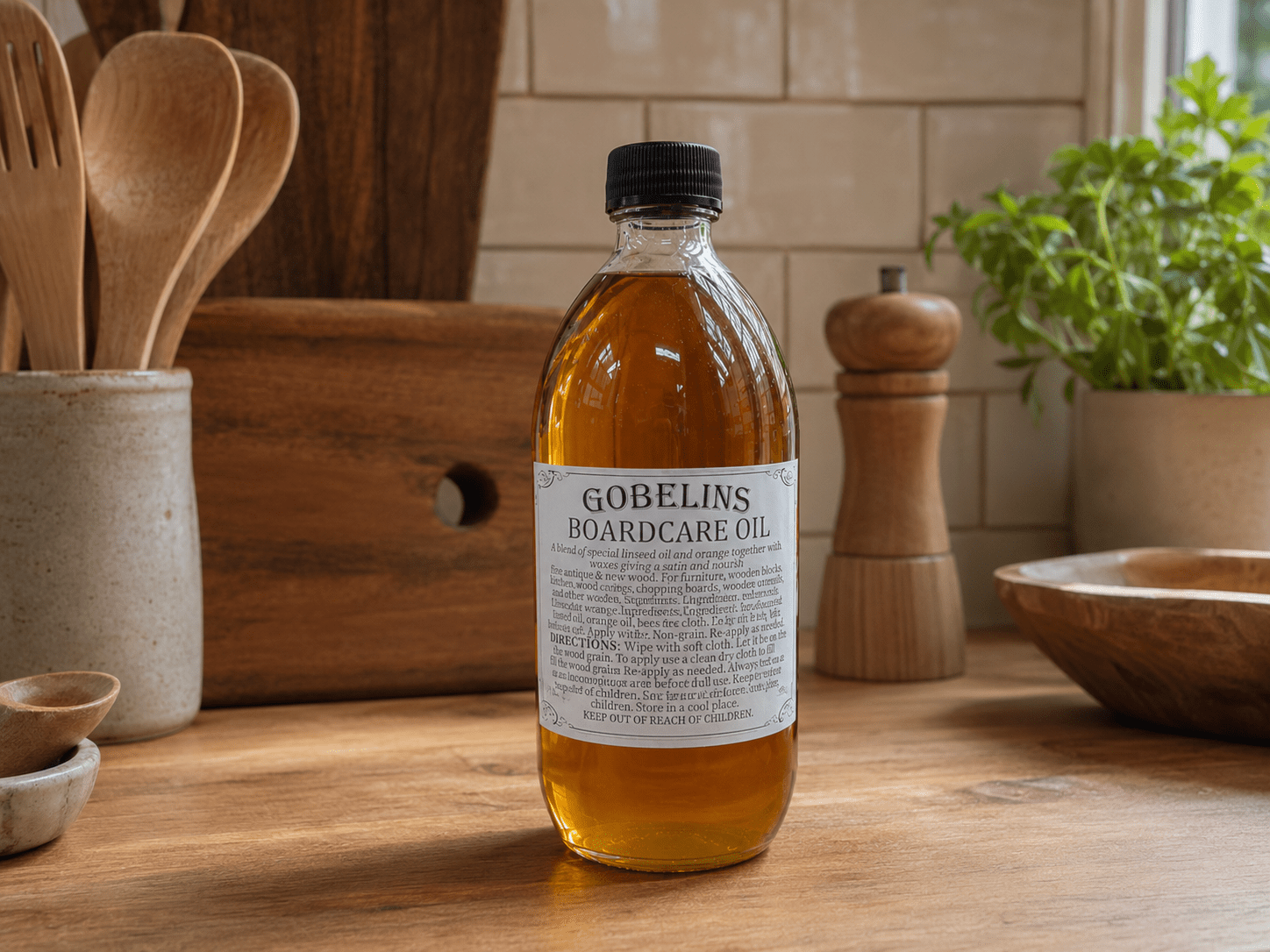
Board care oil is essential for protecting wooden chopping boards in South Africa’s dry and demanding climate. Without proper conditioning, timber absorbs moisture, cracks and deteriorates over time.
What oil should I use on my wooden chopping board?
The answer is simple: a properly formulated board oil designed specifically for timber used in food preparation environments.
Not all oils are equal, and using the wrong product can permanently damage your board.
Why Wooden Chopping Boards Need Protection?
Wood is a natural, porous material. Under a microscope, it contains capillary structures that absorb moisture.
When exposed to:
- Water
- Food acids
- Oils from meat
- Cleaning chemicals
- Sunlight
Wood expands and contracts, causing:
- Surface cracking
- Drying and splitting
- Warping
- Deep fibre exposure
Dry timber also becomes more prone to absorbing contaminants into those exposed fibres.
Proper oiling stabilises the wood fibres and reduces moisture cycling.
A quality board care oil works by:
- Penetrating deep into the wood grain
- Nourishing and conditioning the timber fibres
- Reducing capillary absorption of water
- Creating a breathable protective barrier
Unlike varnishes or lacquers, board oils are:
- Non-film forming
- Penetrating rather than surface sealing
- Safe for contact with food when cured properly
This allows the board to remain natural while being protected.
What Happens If You Use the Wrong Oil?
Many people mistakenly use:
- Vegetable oils
- Olive oil
- Cooking oils
- Non-food-safe furniture oils
These can:
- Go rancid
- Create sticky residue
- Encourage bacteria growth
- Darken unevenly
- Leave unpleasant odours
A proper board care oil is specifically formulated to resist spoilage and maintain timber integrity.
How Often Should You Oil a Wooden Chopping Board?
In South African conditions, dry or hot climates, we recommend:
- Light domestic use: every 4–6 weeks
- Heavy use or restaurant environments: every 2–3 weeks
Signs your board needs oil:
- Surface appears dull
- Wood feels dry
- Water absorbs quickly instead of beading
Why Gobelins Board Oil Is Formulated for Performance
Our Board Care Oil is designed for:
- Wooden chopping boards
- Butcher blocks
- Wooden kitchen utensils
- Restaurant preparation surfaces
It penetrates deeply into the grain to:
- Nourish timber fibres
- Reduce cracking and splitting
- Enhance natural wood appearance
Unlike film-forming finishes, it allows the wood to breathe while remaining protected.
How To Apply BoardCare Oil
- Ensure the board is clean and completely dry.
- Apply oil evenly with a lint-free cloth.
- Allow penetration for several hours.
- Wipe off excess oil.
- Allow to cure before food contact.
For severely dry boards, a second coat may be required.
Final Thoughts
If you value the longevity of your wooden chopping board, whether in a home kitchen or commercial environment, using a properly formulated oil is essential.
It protects.
It stabilises.
It preserves.
If you care about longevity,and natural timber performance, use a properly formulated board oil, not a kitchen shortcut.
Explore our Board Care Oil here → Board Care Oil

